
Feel the atmosphere of a space before it's even built.
Visualize the brand feeling of hotel rooms, lobbies, restaurants, and rooftops early; align investors and operations teams on direction fast.
 Atmosphere design
 Hospitality concept
 Lounge variation
Sells the experience, not the plan
Show the exact scene a guest will see: light, texture, and ambiance in a single frame.
Matches the brand feeling
Take the same concept in different directions within your brand's tone using references and a brief.
Investor meetings move faster
Direction decisions get made over visual alternatives instead of word-by-word debate.
The Story of a Concept Meeting
An atmosphere described in words becomes a visual by mid-morning.
The investor meeting is tomorrow. The restaurant's concept text says "warm, intimate, evening-lit ambiance," but no one is sure what that sentence actually looks like. All you have is a rough layout plan and a few mood boards.
You upload the plan and reference images and generate different lighting and material interpretations of the same space — warm wood and candlelight, cool marble and spot lighting, industrial concrete and pendant lighting. Each variation keeps the same seating layout and only changes the atmosphere.
In the meeting, investors and the operations team choose between concrete visuals instead of debating a word. The conversation shifts from "do you think it'll feel warm" to "which of these two." The direction gets locked the same day, and the design team develops that direction in the next phase.
Example Outputs
Sample frames from this workflow.
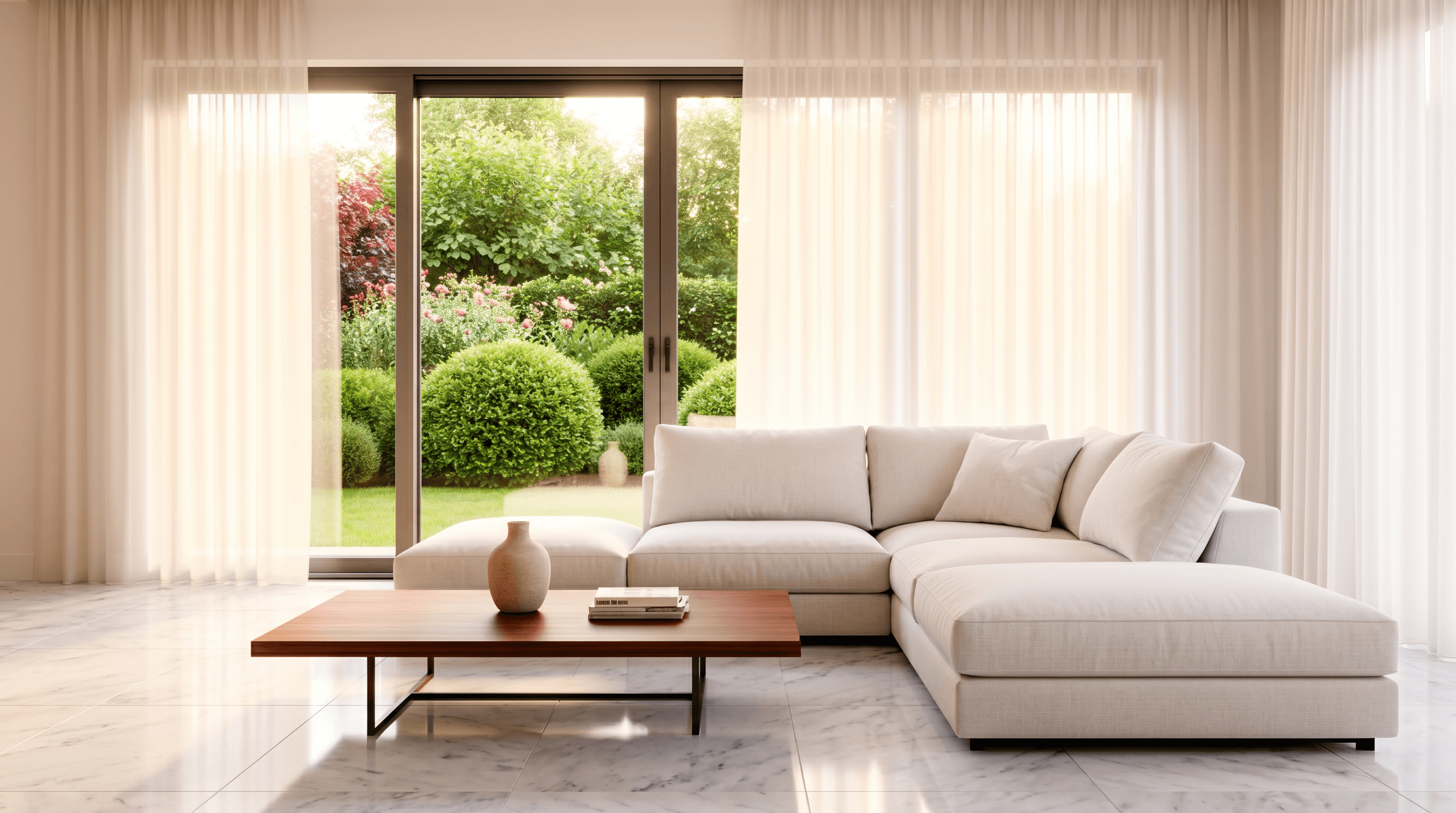
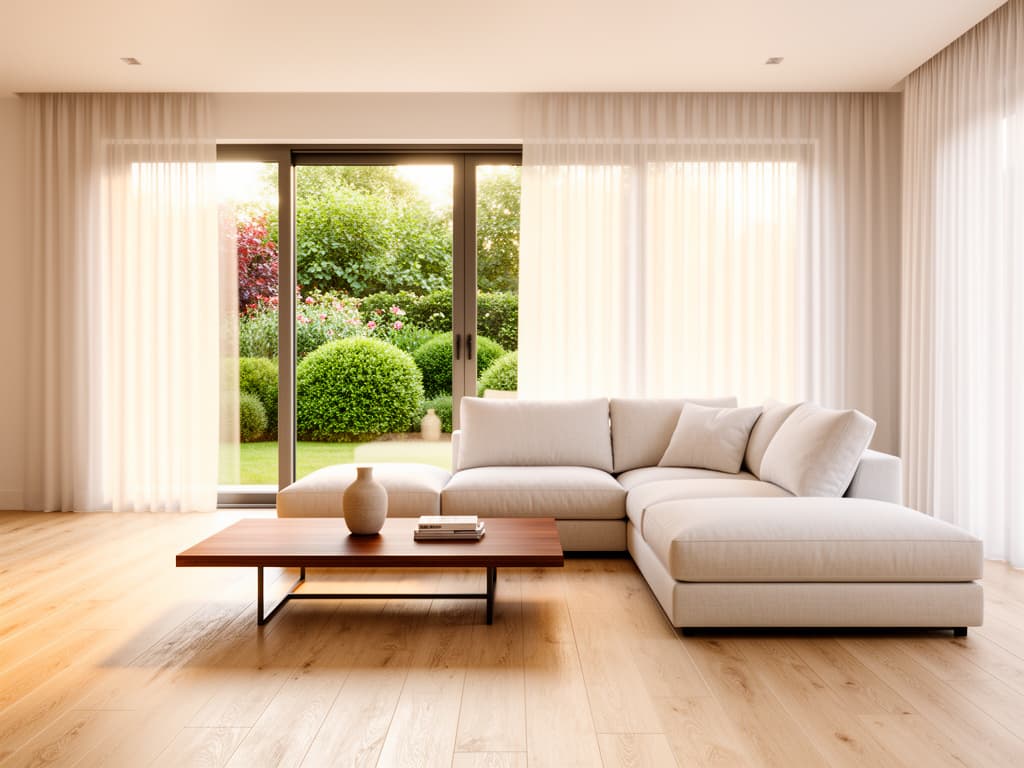
Only the material language changes in the same scene — the fastest form of a concept revision.
Hospitality conceptLounge variationHotel atmosphereHow It Works
From brief to output in three steps.
- 01
Describe the guest
Enter the guest profile, price segment, and target atmosphere in a short brief; add brand references.
Input: Plan, sketch, or reference image, Brand tone and target guest profile, Material and lighting direction notes, Presentation or proposal need
- 02
Vary the atmosphere
Change lighting, palette, and staging to produce different moods of the same space.
- 03
Present the direction
Bring the chosen atmosphere set to the investor or operations meeting; make the call on visuals.
Output: Atmosphere-focused concept visuals, Variations that convey the feel of the space, A strong visual language for investor and team presentations
In Depth
3 rules for building the right hospitality atmosphere
Frame the guest's view, not the technical plan
Choosing the frame a guest would see at eye level, instead of a technical plan view, tells the atmosphere far better; composition decisions — seating in the foreground, a light source in the background — matter more than technical accuracy.
Once you've built that frame, producing material and lighting variations while keeping the same composition makes comparison easier.
Change the atmosphere on one axis at a time
Changing one variable at a time and holding the others fixed — instead of changing lighting, palette, and material all at once — makes it clear in the decision meeting which change actually made the difference.
For example, test lighting first (day/evening), then palette (warm/cool) separately; changing both at once makes comparison harder.
Bring the brand reference into the brief
Without a reference image and keywords, the model produces a generic "nice space"; adding references from your brand's existing visual language makes the result specific to your brand.
Chain operators should document these references once and reuse the same brief for every new branch or concept study to keep the brand consistent.
Prompt Patterns
Copy, paste, try it.
Warm evening atmosphere
You want to visualize how the restaurant area feels warm and intimate in the evening.
Generate a warm, intimate restaurant interior visualization from this floor plan reference: dark oak furniture, brass pendant lighting, candlelight on tables, deep burgundy accents, soft warm evening ambiance, eye-level guest perspective, editorial hospitality photography style.
Regenerate with different lighting words to compare against a cool/daytime version of the same scene.
Brand-referenced lobby concept
You need a first concept visual for the hotel lobby that matches the brand language.
Create a boutique hotel lobby concept visualization: travertine flooring, olive green velvet seating, brass accents, large arched windows, soft natural daylight, minimalist Mediterranean design language, wide-angle architectural photography.
Swap the brand color and material words to match your reference board.
Rooftop atmosphere variation
You want to compare the same rooftop space at sunset and at night.
Regenerate this same rooftop bar scene at night: string lights overhead, city skyline in the background, warm amber lighting, guests seated at low tables, cozy nighttime ambiance. Keep the furniture layout and camera angle identical to the daytime reference.
Keep the same layout as the daytime version and change only the lighting scenario.
Comparison
How it differs from classic atmosphere research
| Step | Classic workflow | With Syntina |
|---|---|---|
| Atmosphere research | Mood boards and word descriptions | Concrete, comparable visual variations |
| Investor presentation | A render prepared in one direction days ahead | Multiple directions produced the same day, before the meeting |
| Brand alignment | Depends on team interpretation, can be inconsistent | Controlled direction with reference and brief |
| Decision process | Debate over words | Direct choice over visuals |
| Revision | Rebuilding the scene | A new atmosphere variation on the same scene |
Scenarios
Where it's used in the field.
- Hotel room and lobby concepts
- Restaurant and cafe design variations
- Hospitality brand presentations
Final Check
Before you present
- Were brand references added to the brief?
Without a reference, the model produces "a nice restaurant," not a direction specific to your brand.
- Was the guest's point of view chosen?
An eye-level frame the guest would see tells the atmosphere better than a technical plan view.
- Was only one variable changed at a time?
Changing lighting, palette, and material all at once makes comparison harder.
- Are table layout and staging clarified?
The goal is atmosphere and style accuracy, not exact product placement — say so in the presentation.
- Did you add a "this is a concept image" note?
Lighting and material specifications still need separate detailing during implementation.
FAQ
Frequently asked questions
- What kinds of spaces does this workflow suit?
- Hotels, restaurants, cafes, lounges, lobbies, rooftops, and other shared-space scenarios all fit.
- Can variations follow a specific brand language?
- Yes. References and a brief make it possible to produce more consistent brand directions.
- Can table layout and staging details be directed?
- Staging can be guided with a brief and references; the goal is atmosphere and style accuracy, not exact product placement.
- How does credit cost work?
- Generations run on the credit system; you can see the credit table, which varies by model and resolution, on the pricing page.
- How are our brand reference images processed?
- Reference and plan images you upload are used only for the generation you request; infrastructure providers such as fal.ai and BytePlus/ModelArk may come into play during that process. Details are in our privacy policy.
- Can we generate multiple revisions of the same concept?
- Yes. You can try as many different atmosphere, palette, or lighting variations of the same scene as separate generations as you'd like; each generation uses its own credits.
This workflow shows the direction — it doesn't produce the implementation project
This workflow speeds up early-stage atmosphere and direction decisions; it doesn't include technical detailing like a lighting project, material quantities, or kitchen/service planning. The approved direction still needs to be engineered separately by the relevant disciplines.
If you want to standardize your brand language at enterprise scale across a hotel chain or multi-location restaurant group, contact us about enterprise use.